
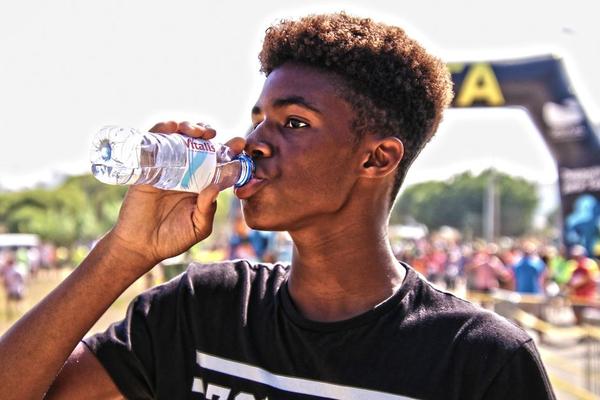
Two athletes can finish the same workout with very different fluid needs. One may train comfortably with a few sips of water; another may lose substantial sweat in the heat. A useful hydration plan for athletes therefore starts with the person and the session, not a fixed number of bottles.
The goal is to support performance without drinking more than your body needs. Session length, sweat rate, weather, thirst and recovery time all shape the plan.
Know Your Starting Point
Before exercise, notice whether you are thirsty, have been drinking normally with meals and are passing urine at your usual frequency. Consistently dark urine may suggest you need more fluid, but colour alone is not a reliable test. Foods, supplements and timing can change it.
Look for patterns over several days rather than chasing a single perfect measurement. If you routinely begin early workouts thirsty, establish a sensible breakfast or evening drinking routine. Very pale urine is not a goal worth forcing water to achieve.
Measure Sweat Loss During Training
Your sweat rate gives athlete hydration a useful personal reference. Choose a typical workout and weigh yourself in comparable dry clothing before and after. Record the session duration, drinks consumed and any urine passed.
Estimate sweat loss in litres by adding fluid consumed in litres to body weight lost in kilograms, then subtracting urine produced in litres. Divide by exercise hours for an approximate hourly sweat rate. Food intake, wet clothes and measurement differences can affect accuracy.
An Example From a One-Hour Run
A runner weighs 75.0 kg before running and 74.4 kg afterward. They drink 500 mL and do not urinate. Their estimated sweat loss is 0.6 plus 0.5, or 1.1 litres that hour. This does not mean drinking 1.1 litres hourly is automatically appropriate. It helps the runner understand expected losses and test a comfortable fluid plan.
Repeat the test in different weather. Heat, humidity, intensity, clothing and acclimatisation can alter sweat rate significantly.
Prepare Before the Session
Most athletes can start comfortably hydrated by drinking normally throughout the day and with meals. If you wake thirsty, sip fluids gradually instead of gulping a large bottle immediately before training. Allow time for a bathroom visit.
For a long race, practise your usual pre-event drink and breakfast routine during training. Anyone with a condition affecting fluid or sodium regulation should seek individual advice from a qualified clinician or sports dietitian.
Choose a Drinking Approach That Fits the Workout
Short or Moderate Sessions
For many workouts under an hour, water and thirst are sufficient. Electrolyte products and complicated drinking schedules usually add little to a comfortable, moderate session. Begin adequately hydrated and keep water available.
Long, Intense or Hot Sessions
Prolonged exercise demands more planning, particularly when aid stations or breaks are limited. Combine personal sweat observations with thirst, comfort and practical opportunities for drinking. Planned sips can help competitive athletes who cannot easily reach a bottle.
Sports-medicine guidance commonly recommends limiting body mass loss during demanding endurance activity to approximately 2% or less while avoiding weight gain from excessive drinking. Do not interpret that target as a reason to force fluids or replace every drop of sweat immediately.
During longer exercise, a sports drink can supply both carbohydrate for fuel and sodium to replace some losses. Water with suitable food may also work. Sodium needs vary, and adding electrolytes does not make excessive fluid intake safe.
Adjust for the Weather and the Sport
Hot, humid conditions often increase sweating and make cooling more difficult. Protective equipment may increase heat strain. Cold weather can reduce the feeling of thirst even while fluid losses continue.
Check the forecast, know your event’s refill points and adjust your hydration strategy when conditions change. On an unexpectedly hot day, lower the pace if needed, seek cooling opportunities and follow event heat-safety advice. Extra water cannot compensate for dangerous heat exposure.
For team sports, plan around substitutions and breaks. For a cycling event, rehearse drinking while riding safely. A trail runner may need to plan around long stretches without refill access. The right exercise hydration routine fits the logistics of the sport.
Refuel and Rehydrate Afterward
After a normal workout, drink according to thirst and eat a meal containing fluid and some sodium. If another hard session is coming soon, your change in body weight can help estimate remaining losses. Replace fluids gradually alongside food instead of drinking a huge volume at once.
With ample recovery time, ordinary meals and drinks are generally sufficient. Pair your routine with post-workout nutrition and a balanced recovery meal so fluid, energy and sodium needs are considered together.
Make Your Plan Practical
Record three details after key sessions: conditions, estimated sweat loss and how drinking felt in your stomach. Choose realistic drinking moments, such as between sets, at a cycling rest point or at a race aid station. Practise the routine before an important event.
If you finish unusually thirsty or uncomfortable, review what happened. If your weight increases during a long session because of drinking, you may be overdoing fluids. Make modest adjustments rather than adopting a teammate’s bottle count.
For long events, coordinate drinks with carbohydrate intake for endurance exercise. Your fueling and drinking routines should support one another rather than compete for stomach space.
Recognise When Symptoms Need Medical Attention
Headache, nausea, dizziness and weakness can occur with dehydration, but also with heat illness or exercise-associated hyponatremia, a dangerous condition linked to excessive fluid intake. Symptoms alone cannot reliably distinguish them.
Stop exercise and seek urgent medical care for confusion, collapse, seizures or severe symptoms. Do not automatically force additional water. Young athletes and people with relevant medical conditions may need extra guidance.
Frequently Asked Questions
How much water should athletes drink per hour?
No hourly amount suits everyone. Sweat rate, intensity, temperature, body size and drink access differ. Use thirst and training observations to develop an individual plan without drinking beyond fluid losses.
Is thirst enough during competition?
Thirst is a useful defence against overdrinking. During long competitive events, a rehearsed schedule can help when thirst is overlooked or drinking opportunities are limited. Adjust that schedule based on conditions and comfort.
When are electrolytes necessary?
Sodium-containing foods or drinks may help during prolonged, sweaty exercise or repeated sessions. Most short workouts do not require electrolyte supplements. They cannot prevent harm from excessive water consumption.
Should athletes aim for clear urine?
No. Colour varies for several reasons and clear urine is not proof of ideal hydration. Avoid forcing water just to change its appearance; consider thirst and normal habits too.
Build a Plan You Can Actually Follow
The strongest fluid plan is flexible. Learn your approximate sweat losses, drink sensibly, check the weather and take warning signs seriously. Athlete hydration should make training and competition easier to manage, not turn drinking into another performance target.