
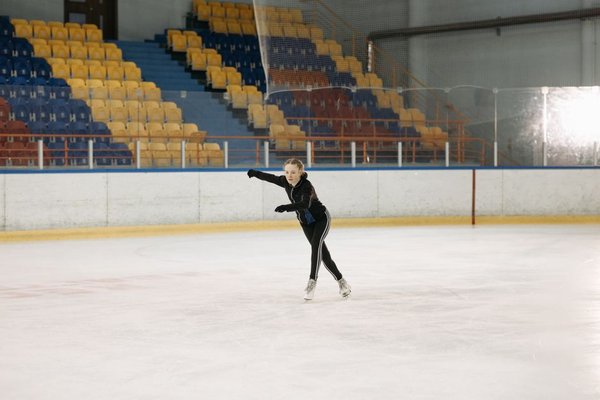
A figure skating practice session can look chaotic to someone new. One skater crosses the rink backward, another sets up a jump in the corner, and a third follows a program to music. Figure skating rink etiquette helps everyone share that moving space without collisions or unnecessary interruptions.
The main skill is learning to predict where other skaters are going, not simply avoiding where they stand now. These practical habits explain how traffic flow, rink right of way, and practice ice etiquette usually work. Your rink’s posted skating session rules and staff instructions always come first because local policies vary.
Start by Understanding the Session
Public skating often follows one direction around the rink. Figure skating practice ice is different. Skaters may travel both ways to rehearse edges, spins, jumps, and choreography. Never assume there is a single traffic lane unless the session rules specifically establish one.
Before entering, confirm that the session suits your skill level and whether advance registration is required. Spend a minute watching from the boards. Notice which corners skaters use for jump entrances, where spins happen, and whether someone is running a full program.
Read Traffic Before You Move
Look in your direction of travel and check around you before changing direction or beginning an element. Someone gliding backward on a long edge may be preparing for a jump. Someone circling near the middle could be approaching a spin. Recognizing these patterns matters more than assuming you have an empty lane.
Keep your movements predictable. Avoid sudden turns into busy traffic, unexpected stops, or long conversations on the ice. If your planned route becomes crowded, change the exercise or wait until there is room. Experienced skaters should show the same patience they expect from beginners.
Entering and Exiting Safely
Enter through the designated gate, look both ways, and push off only when the path is clear. Do not gather at the entrance while adjusting gloves or discussing a lesson. Approach the exit under control and leave without cutting across someone else’s pattern.
Know Who Has Right of Way
At many rinks, the skater performing a program while their music plays receives priority. Some facilities also give priority to skaters in lessons or using a jump harness. There is no universal ranking that applies everywhere, so ask the session monitor or coach about your rink right of way rules.
Listen when program music begins. Some rinks identify the skater with a colored vest or belt. Watch the whole route of the program, not just the skater’s present position. Priority does not excuse dangerous skating: everyone must still act to prevent a collision.
A Realistic Practice-Ice Example
You are about to practice a three-turn near center ice when a skater’s music starts. They are accelerating toward the diagonal you planned to cross. Rather than finishing your exercise and expecting them to dodge you, glide into a clear area, allow the program to pass, and restart. That brief adjustment protects both skaters without ending your practice.
Respect Jump Corners and Spin Areas
Figure skating jumps need preparation space as well as landing space. Lutz entries, for example, often occupy familiar rink corners, although the exact preferred corners differ between facilities. A skater moving backward along a long curve may be preparing an element even if the jump has not begun.
Avoid standing in jump approaches, especially while talking. Before starting your own jump, check the entire path through the landing and exit. If a corner is busy, practice another skill elsewhere until it clears. Reviewing figure skating jump basics can help you recognize entry patterns early.
Spinners need clearance around their rotation and exit. Do not pass inches from a spinning skater just because they appear stationary. They can travel slightly or step out in an unexpected direction. Give the full element room.
Choose Safe Places to Stop and Rest
If you need to listen to your coach or catch your breath, move to a designated waiting area or a clear spot near the boards, away from gates and jump paths. Do not stop in the center or create a group discussion circle on active ice. Step off the rink for skate adjustments when required.
After a fall, check for approaching traffic and get up promptly if you can do so safely. Move out of the way before inspecting your clothing or skates. If you are injured or unable to rise, signal to staff or a coach for assistance.
Learn to Skate USA’s safety guidance emphasizes skating in control, staying alert, and promptly recovering after a fall when possible. It also recommends protective helmets for beginning skaters. Follow your program’s equipment requirements and learn safe stopping and falling techniques with an instructor.
Share Music, Lessons, and Rink Facilities Politely
Freestyle sessions often have a music queue run by coaches, staff, or a rink system. Wait your turn rather than replaying your routine while others are waiting. Keep your hearing available: many facilities prohibit headphones during practice because skaters must notice announcements and nearby movement.
Leave food, bags, and personal belongings where the facility directs. Follow resurfacing announcements promptly; when the ice-resurfacer doors open or staff clear the ice, stop practicing and exit. Good figure skating safety includes respecting the people maintaining the rink.
Use a Three-Part Check Before Each Element
Before beginning an edge pattern, spin, or jump, check your approach, your landing or exit area, and the path of anyone performing to music. If any part is blocked, wait or switch exercises. This quick mental scan is especially useful when transitioning from beginner figure skating skills to more complex freestyle practice.
Frequently Asked Questions
Who has priority during a figure skating session?
Often the skater performing to their music, with other priorities sometimes assigned to lessons or harness work. Check the specific facility’s rules rather than assuming the same order at every rink.
Can beginners attend freestyle practice ice?
It depends on the rink. Some sessions welcome developing skaters, while others have minimum skill requirements. Ask a coach or rink representative which session is appropriate.
Where should I stand when I need a break?
Use an approved waiting area or a safe place near the boards that does not block entrances, jump approaches, or moving skaters. Avoid lingering in the middle of the rink.
Are jump and spin areas officially assigned?
Not universally. There may be customary corners or locally designated areas. Watch how the session operates and follow posted guidance before choosing where to practice.
Build Courtesy Into Your Routine
The strongest rink habits are small and consistent: look before crossing, recognize program music, give jumps room, and move conversations away from traffic. Shared ice becomes safer and more productive when every skater, from novice to competitor, stays aware and adjusts respectfully.