
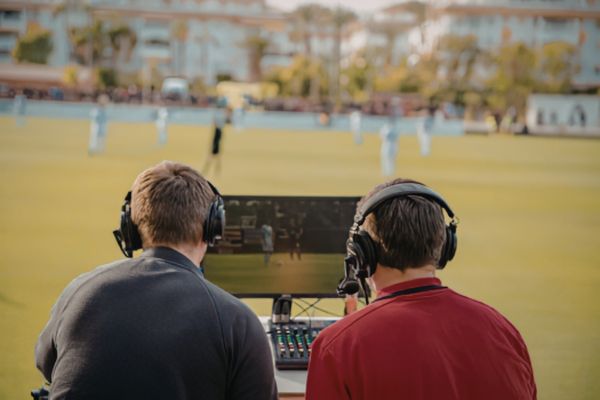
There’s a certain kind of magic in a packed stadium just before kickoff. The lights are bright, the crowd hums with anticipation, and everything feels perfectly in place. What most people don’t see is the months—sometimes years—of careful planning that made that moment possible. Behind every successful tournament, marathon, or championship lies a team of professionals working tirelessly. That’s where sports event management careers come into focus.
For those drawn to both sports and organization, this field offers a unique blend of energy, creativity, and precision. It’s not just about loving the game—it’s about shaping the entire experience around it.
Understanding the World of Sports Event Management
Sports event management is the backbone of live sports experiences. It involves planning, organizing, and executing events ranging from local community matches to international competitions. Every detail matters, from venue selection and scheduling to crowd control and media coordination.
People in sports event management careers are responsible for ensuring that everything runs smoothly, often under intense pressure. It’s a field that rewards those who can think ahead while staying calm in unpredictable situations. One delayed bus or technical issue can ripple through an entire event, so adaptability becomes second nature.
At its core, this career path is about turning complex logistics into seamless experiences. When done well, it feels effortless—even though it rarely is.
The Different Roles Within Sports Event Management
Not everyone in this field does the same job. In fact, one of the most appealing aspects of sports event management careers is the variety of roles available.
Some professionals focus on event planning, handling logistics like scheduling, budgeting, and vendor coordination. Others specialize in operations, ensuring that everything runs smoothly on the day of the event. Then there are those who work in marketing and promotions, building excitement and driving attendance.
There are also roles tied to sponsorship, media relations, and athlete coordination. Each position plays a specific part in the bigger picture, and success often depends on how well these roles come together.
You might start in a general position, assisting with multiple aspects of an event, and gradually find your niche. Over time, many professionals move into leadership roles, overseeing entire events or even managing teams across multiple locations.
The Skills That Set Professionals Apart
A love for sports is a great starting point, but it’s not enough on its own. Sports event management careers demand a mix of practical and interpersonal skills that can’t always be taught in a classroom.
Strong organizational ability is essential. Events involve countless moving parts, and keeping track of them all requires discipline and attention to detail. Communication skills are equally important, as professionals often coordinate with teams, sponsors, vendors, and athletes simultaneously.
Problem-solving is another defining trait. No matter how well an event is planned, unexpected challenges are inevitable. The ability to respond quickly and effectively can make the difference between a minor hiccup and a major disruption.
Time management, leadership, and a willingness to work irregular hours also come into play. Events don’t always happen during a typical nine-to-five schedule, and flexibility is often part of the job.
Education and Entry Paths Into the Industry
There isn’t a single, fixed route into sports event management careers. Some people enter the field with degrees in sports management, business, or event planning. These programs can provide a strong foundation, covering topics like marketing, finance, and operations.
However, experience often matters just as much—if not more. Internships, volunteer roles, and entry-level positions are common starting points. Working behind the scenes at smaller events can offer valuable insights and practical knowledge that can’t be replicated in theory.
Networking also plays a significant role. The sports industry is closely connected, and relationships often lead to opportunities. Being reliable, enthusiastic, and willing to learn can open doors faster than credentials alone.
The Reality of Working Behind the Scenes
From the outside, sports event management careers can seem glamorous. There’s travel, excitement, and the chance to be part of major sporting moments. But the reality is more complex.
The work can be demanding, especially during peak event periods. Long hours, tight deadlines, and high expectations are common. It’s not unusual to work late into the night or over weekends, especially when events are approaching.
Yet for many professionals, the rewards outweigh the challenges. There’s a deep sense of satisfaction in seeing an event come together after months of effort. That moment when everything runs smoothly—when the crowd cheers and the event unfolds as planned—can make all the hard work worthwhile.
Opportunities Across Different Levels of Sport
One of the most appealing aspects of sports event management careers is the range of opportunities available. You don’t have to work at a global level to have a meaningful and fulfilling career.
Local and regional events offer plenty of opportunities to gain experience and build a reputation. Community sports tournaments, school competitions, and amateur leagues all require skilled event management.
At the same time, there are pathways to larger stages. National leagues, international competitions, and global sporting events provide opportunities for those who want to work at a higher level. These roles often come with greater responsibility and complexity, but also with increased recognition.
Each level has its own challenges and rewards, and many professionals move between them over the course of their careers.
The Role of Technology in Modern Event Management
Technology has transformed how sports events are planned and executed. From ticketing systems and crowd management tools to live streaming and data analytics, digital solutions are now a central part of the process.
Professionals in sports event management careers need to be comfortable with these tools. Understanding how to use technology to improve efficiency and enhance the audience experience has become a valuable skill.
At the same time, technology has raised expectations. Audiences now expect seamless experiences, from easy ticket access to real-time updates. Meeting these expectations requires both technical knowledge and a commitment to innovation.
Career Growth and Long-Term Potential
Sports event management is not a static career path. It offers room for growth and development, especially for those who are committed to learning and improving.
Many professionals start in entry-level roles and gradually take on more responsibility. With experience, it’s possible to move into senior positions, overseeing larger events or managing teams.
Some individuals choose to specialize further, focusing on areas like sponsorship management, event marketing, or operations. Others move into consulting or leadership roles within sports organizations.
The skills developed in this field—organization, communication, and problem-solving—are also transferable. This means that even if someone decides to explore other industries, the experience gained in sports event management remains valuable.
The Personal Side of the Profession
There’s something deeply human about working in sports event management. It’s not just about logistics or schedules—it’s about creating moments that people remember.
Whether it’s a child attending their first match or a lifelong fan witnessing a historic game, these events leave lasting impressions. Being part of that process can be incredibly rewarding.
At the same time, the profession teaches resilience. Not every event goes perfectly, and not every plan works out as expected. Learning to adapt, to recover, and to keep moving forward becomes part of the journey.
Conclusion: Finding Your Place in the Industry
Sports event management careers offer a unique blend of challenge and excitement. They require dedication, flexibility, and a genuine interest in both sports and people. It’s a field that demands a lot, but also gives a lot in return.
For those willing to put in the effort, the opportunities are diverse and the experiences unforgettable. Whether working at a local level or on a global stage, the role remains the same at its heart: bringing people together through sport.
And perhaps that’s what makes this career path so compelling. It’s not just about organizing events—it’s about shaping moments that stay with people long after the final whistle.