
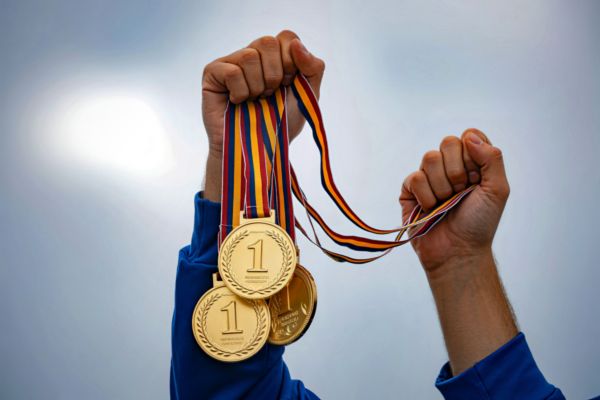
The Olympics always arrive with familiar faces, rising stars, and a few names that most people have not yet learned but soon will. By the time Los Angeles welcomes the world in 2028, some champions from Paris will be chasing another chapter, some young talents will be entering their prime, and athletes from newly added or returning sports will bring a fresh kind of energy to the Games.
That is what makes the conversation around Olympic athletes to watch 2028 so interesting. It is not only about predicting medals. It is about noticing momentum. Who has the skill, the timing, the personality, and the competitive hunger to become one of the defining figures of the next Summer Olympics?
Of course, no athlete list can be final this far out. Injuries happen. Qualification is never guaranteed. New stars appear quickly, especially in sports like swimming, athletics, gymnastics, skateboarding, and climbing. Still, based on recent performances, age profiles, and the direction of global sport, several athletes already feel central to the Los Angeles story.
The Los Angeles Stage Will Feel Different
Every Olympics has its own mood. Paris had beauty, history, and a citywide sense of theatre. Los Angeles will bring something else: scale, spectacle, celebrity, and a sports culture that understands big moments. The 2028 Games will also arrive with new storylines because sports such as cricket, flag football, squash, lacrosse, and baseball/softball are part of the Olympic conversation.
That broader program changes the athlete landscape. Traditional Olympic stars will still dominate headlines, but they will share attention with players and competitors from sports that have different fan bases. A flag football quarterback, a T20 cricket star, or a squash champion could become a major Olympic name almost overnight.
This gives Los Angeles a slightly unpredictable edge. The biggest names may not all come from the usual places.
Simone Biles and the Question of One More Chapter
Simone Biles has already done enough to stand among the greatest athletes in Olympic history. Her gymnastics career has stretched beyond medals and records; it has reshaped how people talk about pressure, longevity, mental health, and the limits of human movement.
Whether she competes in 2028 remains a personal decision, and that is part of the intrigue. If Biles returns for Los Angeles, even in a selective role, she would instantly become one of the most watched athletes of the Games. At that stage, the story would not be about proving anything. It would be about presence, control, and the rare ability to hold an arena’s attention before a routine even begins.
Gymnastics moves quickly, and younger athletes will certainly rise before 2028. Still, Biles remains a central figure because her name changes the temperature of the competition. Few athletes carry that kind of gravity.
Léon Marchand and the Next Era of Swimming
Léon Marchand became one of the great faces of Paris, and by 2028 he could be entering an even more fascinating phase of his career. Swimming loves a dominant figure, especially one who can compete across multiple events and bring tactical intelligence to every race.
Marchand’s appeal is not only speed. It is how calmly he seems to manage big races. He swims with a measured confidence, the kind that makes difficult events look almost orderly. In Los Angeles, he may arrive not as a breakout star but as a swimmer others are chasing.
That shift matters. It is one thing to become a champion. It is another to carry the expectation of being one. If Marchand handles that pressure well, he could become one of the defining athletes of the 2028 Olympics.
Summer McIntosh and the Power of Youth Turning Into Experience
Summer McIntosh has already shown the kind of range that makes swimming fans pay close attention. She can compete across demanding events, and she has the rare quality of looking both young and seasoned at the same time. By 2028, she may be more physically mature, more experienced, and even more comfortable under Olympic pressure.
That is a dangerous combination for the rest of the field. Swimmers who succeed young often face the challenge of sustaining progress while the world studies their strengths. McIntosh’s next step will be about refinement, not surprise.
If she continues on her current path, Los Angeles could be where she moves from star to centerpiece. In any serious discussion of Olympic athletes to watch 2028, her name belongs near the top.
Noah Lyles and the Sprint Spotlight
Noah Lyles understands performance in both senses of the word. He is fast, but he also knows how to carry attention. Track and field needs athletes like that, especially in the sprints, where races last seconds but storylines build for years.
Los Angeles could offer Lyles a powerful stage. A home Olympics in the United States would bring huge attention to American sprinters, and Lyles has the personality to meet that spotlight rather than shrink from it. The challenge, as always in sprinting, is brutal consistency. The margin between gold and disappointment can be a lean at the finish line.
By 2028, younger sprinters may have emerged, and the field will not wait for anyone. But if Lyles remains healthy and sharp, his races could become some of the most anticipated events of the Games.
Sydney McLaughlin-Levrone and the Art of Controlled Dominance
Sydney McLaughlin-Levrone has a way of making world-class competition look strangely calm. Her smoothness can almost hide the violence of what she is doing, especially in the 400m hurdles, one of track’s most punishing events.
What makes her particularly interesting for 2028 is possibility. She has already achieved greatness in the hurdles, but her talent also invites questions about other events. Could she continue to dominate her signature race? Could she shift toward the flat 400m? Could she become part of another unforgettable relay moment?
Whatever path she takes, her precision and composure make her one of the most compelling athletes in American track. Some runners win loudly. McLaughlin-Levrone often wins with a kind of quiet authority, and that can be even more impressive.
Mondo Duplantis and the Event Within the Event
Pole vault can feel like a show inside the larger track meet, and Mondo Duplantis has turned it into must-watch theatre. There is tension in every attempt, silence before the run-up, then the sudden lift of the body over the bar. When Duplantis is competing, the stadium seems to understand that something rare might happen.
By Los Angeles, he could still be at the center of the event. Pole vault requires speed, strength, timing, and nerve, but it also rewards technical mastery. Duplantis has all of that, plus the unusual ability to make record attempts feel expected and impossible at the same time.
For casual fans, he is one of the easiest athletes to appreciate. You do not need deep technical knowledge to understand the drama. The bar goes higher, the crowd leans in, and the moment speaks for itself.
Katie Ledecky and the Meaning of Longevity
Katie Ledecky’s Olympic story is already historic, but 2028 carries a different kind of emotional weight. A home Olympics would give her the chance to compete in front of American fans at a stage of her career when every swim feels connected to legacy.
Distance swimming is unforgiving. It asks for discipline over years, not just months. Ledecky’s greatness has always come from that combination of relentless pace and emotional steadiness. She does not make distance races feel easy, exactly, but she makes them feel purposeful.
If she chooses to compete in Los Angeles, the attention will not only be about whether she wins. It will be about watching one of the most accomplished swimmers ever decide how much more she wants to give to the sport.
Coco Gauff and the Tennis Moment at Home
Tennis at the Olympics has a different rhythm from the regular tour. The atmosphere is national, compressed, and sometimes unpredictable. Coco Gauff could be one of the major American names to watch in Los Angeles, especially with the Games taking place on home soil.
Gauff has already lived with public attention from a young age, and that experience may serve her well. By 2028, she could be in a mature stage of her career, with the physical tools, defensive skill, and competitive edge to handle the Olympic format.
Tennis medals can be tricky to predict because schedules, surfaces, and season fatigue all matter. Still, Gauff’s profile makes her a natural storyline. A deep Olympic run in Los Angeles would carry a different emotional charge.
Victor Wembanyama and Basketball’s Global Future
Basketball at the Olympics is never short of stars, but Victor Wembanyama brings a particular kind of fascination. His size, skill, timing, and defensive reach make him feel like a player built for the future. By 2028, that future may be fully present.
International basketball has become much deeper and more tactically rich. The United States will always draw attention, especially at a home Games, but France and other contenders have shown that Olympic basketball is not just a showcase. It is a real contest.
Wembanyama could become one of the faces of that global challenge. If he continues to develop, Los Angeles may offer him the chance to turn potential into Olympic authority.
Stars From New and Returning Olympic Sports
One of the most exciting parts of Los Angeles 2028 will be the arrival or return of sports that bring different kinds of athletes into the Olympic spotlight. Cricket’s return opens the door for elite T20 players to become Olympic medal contenders. Flag football could introduce a fast, highly watchable style of American sport to a global audience. Squash, long respected for its speed and endurance, will finally get an Olympic platform.
That means the list of athletes to watch will expand significantly as qualification gets closer. Some of the biggest 2028 stories may come from names that are not yet widely known outside their own sports. That is part of the fun. The Olympics have always had room for sudden fame.
A squash player who has spent years chasing recognition, a cricket star carrying national expectations, or a flag football athlete making history in a debut event could become one of the faces of the Games.
Conclusion: The 2028 Watch List Is Still Being Written
The beauty of looking ahead to Los Angeles 2028 is that the story is unfinished. Some athletes already feel destined for the spotlight, while others are still training quietly, far from global attention. By the time the Olympic flame is lit, the list will have changed. It always does.
Still, the early picture is exciting. Swimming has generational talent. Track and field has personalities and precision. Gymnastics has legacy and youth. Basketball, tennis, and new Olympic sports bring fresh layers of drama. Together, they create a Games that could feel both familiar and new.
The best way to think about Olympic athletes to watch 2028 is not as a fixed prediction, but as a starting point. These are the names and storylines already pulling the future into focus. Four years is a long time in sport, but that is exactly why the road to Los Angeles will be worth watching.