
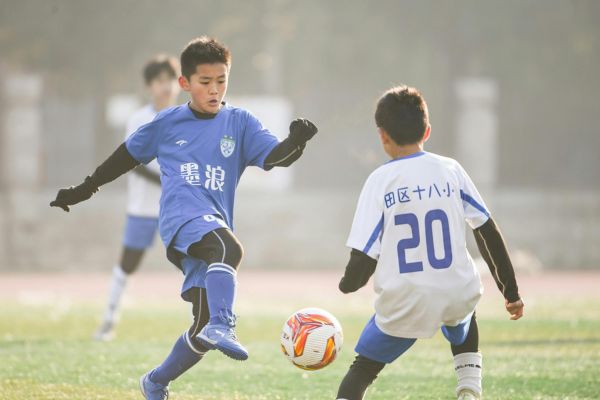
Starting a youth sports league sounds like a big project, and honestly, it is. There are schedules to build, fields or courts to find, parents to communicate with, volunteers to organize, and children with different skill levels to support. But beneath all that planning is something simple and meaningful: giving young people a safe place to play, learn, compete, and belong.
A well-run youth sports league can become a real part of a community’s rhythm. Saturday mornings feel more alive. Families meet each other. Kids learn teamwork, confidence, and discipline in a way that does not feel like a classroom lesson. For anyone wondering how to start a youth sports league, the process begins with care, patience, and a clear sense of purpose.
Understand What Your Community Needs
Before choosing team names or designing a schedule, take time to understand what your area actually needs. Some communities already have competitive leagues but lack beginner-friendly programs. Others may have plenty of interest but not enough safe spaces to play. In some places, cost is the biggest barrier. In others, transportation, coaching, or equipment may be the problem.
Talk to parents, teachers, local coaches, school staff, and community center leaders. Ask what sport children are most interested in, what age groups need opportunities, and what days or seasons work best. This early listening stage can save a lot of trouble later.
A youth league should fit the community, not the other way around. When the structure matches local needs, families are more likely to trust it and participate.
Choose the Right Sport and Age Groups
Some people begin with a sport they already love, while others choose based on demand. Either approach can work. Soccer, basketball, baseball, softball, flag football, volleyball, and track are common choices because they are familiar and easier to organize in many areas. Still, the best option depends on facilities, weather, available coaches, and local interest.
Age groups also need careful thought. Younger children usually need a more relaxed, skill-building environment. Older kids may want more competition, structure, and clear rules. Mixing age groups too widely can create safety and fairness concerns, especially in physical sports.
It helps to start small. A new league does not need to serve every age group in the first season. Beginning with one or two divisions allows organizers to learn, adjust, and grow in a controlled way.
Build a Clear Purpose for the League
Every youth sports league needs a purpose beyond simply playing games. Is the league focused on beginner development? Community recreation? Competitive growth? Equal playing time? Affordable access? Character building? The answer shapes almost every decision.
A recreational league may focus on participation, fun, and learning the basics. A more competitive league may include tryouts, advanced coaching, and tournament play. Neither is automatically better. The important thing is honesty. Families should understand what kind of experience they are joining.
A clear purpose also helps prevent conflict. When parents know the league values development and equal opportunity, they are less likely to expect a win-at-all-costs environment. When expectations are clear from the beginning, everyone has a better chance of enjoying the season.
Find Safe and Reliable Facilities
Fields, courts, gyms, tracks, or multipurpose spaces are the foundation of the league. Without a reliable place to play, everything else becomes difficult. Schools, parks departments, recreation centers, churches, private facilities, and community organizations may all be possible partners.
Safety should come before convenience. Playing areas need to be clean, well-maintained, and appropriate for the age group. Lighting, parking, restrooms, seating, weather protection, and emergency access are also worth considering. A field may look fine at first glance but become a problem if there is no bathroom nearby or no safe place for families to wait.
It is also important to confirm permission, rental costs, insurance requirements, and scheduling rules in writing. Informal agreements can lead to confusion, especially once the season begins.
Handle Rules, Registration, and Basic Administration
The administrative side may not be exciting, but it keeps the league organized. Registration forms should collect essential information such as player names, ages, parent contact details, emergency contacts, medical notes, and consent forms. Keep the process simple but complete.
Rules should be written clearly. This includes game format, practice expectations, playing time policies, equipment requirements, behavior standards, weather procedures, and refund policies if fees are involved. Coaches, parents, and players all need to understand the same guidelines.
Depending on your location, you may also need permits, insurance, background checks for volunteers, and child safety policies. These steps protect the children, the families, and the league itself. They may feel formal for a small community program, but they are part of building trust.
Recruit Coaches and Volunteers Carefully
A youth sports league depends heavily on volunteers. Coaches, assistant coaches, referees, scorekeepers, registration helpers, field setup crews, and communication coordinators can all make the season smoother. But choosing the right people matters.
A great youth coach is not just someone who knows the sport. They need patience, communication skills, fairness, and a genuine interest in helping children grow. A former athlete who cannot handle mistakes kindly may not be the right fit. Meanwhile, a parent with basic sports knowledge and a calm attitude may become an excellent beginner coach.
Provide coaches with guidance before the season starts. Explain the league’s purpose, rules, safety expectations, and communication style. New coaches should not be left to figure everything out alone. A short orientation can prevent many problems later.
Create a Realistic Budget
Even a small youth sports league has costs. Facility rentals, equipment, uniforms, referee fees, insurance, permits, first-aid supplies, website tools, printing, and end-of-season activities can add up quickly. A realistic budget helps avoid last-minute stress.
Registration fees should be fair and transparent. Families are more willing to pay when they understand what the money covers. At the same time, affordability matters. If possible, consider scholarships, donated equipment, or community support for families who need help.
The goal is not to make the league fancy. The goal is to make it sustainable. A simple, well-managed program is better than an expensive one that becomes difficult to maintain.
Plan the Season Schedule with Families in Mind
Scheduling is one of the trickiest parts of running a youth sports league. Games and practices need to work around school hours, family routines, facility availability, weather, and volunteer schedules. No schedule will please everyone, but a thoughtful one can reduce frustration.
Try to keep practice and game times consistent. Parents appreciate predictability. Younger children may do better with shorter sessions, while older players can handle longer practices. Leave enough time between games for teams to warm up, transition, and avoid feeling rushed.
It is also wise to build in makeup dates for bad weather or unexpected cancellations. A little flexibility in the schedule can save the season from becoming chaotic.
Communicate Clearly with Parents
Parent communication can shape the entire league experience. When families feel informed, they are usually more patient and cooperative. When communication is unclear, small issues can become major complaints.
Use one main communication channel, whether it is email, text alerts, a website, or a team app. Share schedules, rule reminders, weather updates, registration deadlines, and volunteer needs in a timely way. Keep messages polite, direct, and easy to understand.
Parents also need to know whom to contact with questions. If every concern goes to one overwhelmed organizer, things can become stressful fast. Clear roles make communication easier for everyone.
Keep the Focus on the Kids
It sounds obvious, but youth sports can quickly become too adult-driven. Parents may care about wins, standings, playing time, or coaching decisions. Coaches may get caught up in results. Organizers may worry so much about logistics that they forget the children’s experience.
The best youth leagues keep returning to one question: Is this helping the kids? Are they learning? Are they safe? Are they having enough fun to want to come back? Are beginners getting attention too, not just the strongest players?
Competition can be healthy, but it should not erase the purpose of youth sports. Children should leave the season with better skills, stronger confidence, and good memories.
Learn from the First Season
The first season will not be perfect. Something will run late. A schedule may need adjusting. A rule may be unclear. A coach may need extra support. That does not mean the league failed. It means the league is real.
After the season, gather feedback from parents, coaches, volunteers, and players. Look for patterns rather than reacting to every single opinion. What worked well? What caused stress? Were the age groups balanced? Were the facilities suitable? Was communication clear enough?
Good leagues improve year by year. The first season is not the final version. It is the foundation.
Conclusion
Learning how to start a youth sports league is really learning how to build something that serves children and strengthens a community. The process takes planning, organization, and plenty of patience, but it does not have to be perfect from day one. Start with a clear purpose, listen to local needs, choose safe spaces, support your coaches, and keep communication simple.
At its best, a youth sports league becomes more than games on a schedule. It becomes a place where children learn effort, friendship, resilience, and joy. Years later, they may not remember every score, but they will remember how it felt to belong to a team. That is the real reward behind all the work.