
Cycling looks smooth from the outside. The wheels turn, the body settles into rhythm, and the road or trail begins to move beneath the rider almost like a quiet current. Compared with contact sports, cycling can seem gentle. There is no tackling, no jumping for rebounds, no twisting through defenders. Just pedaling, breathing, balance, and motion.
But anyone who rides often knows the body still takes a beating.
Cycling injuries can appear suddenly, especially after a crash, but many develop slowly. A knee starts to ache after longer rides. The lower back tightens halfway through a climb. Hands go numb. A neck that felt fine at the start of a ride becomes stiff by the end. These problems are common because cycling asks the body to repeat the same movement thousands of times while holding a fixed position for long periods.
That is why understanding cycling injuries and prevention is so important for riders at every level. Whether someone rides for fitness, commuting, racing, adventure, or simple enjoyment, staying healthy makes the experience better. Prevention is not about being overly cautious. It is about riding smarter, listening earlier, and giving the body what it needs to keep moving well.
Why Cycling Injuries Happen
Cycling injuries usually come from two main sources: sudden trauma and repeated stress. Sudden injuries are easier to recognize. A rider falls, collides, slides on gravel, or loses control on a wet road. The result might be bruising, cuts, sprains, fractures, or shoulder injuries.
Overuse injuries are different. They build quietly. The rider may not remember one clear moment when the pain began. Instead, discomfort creeps in over time. This often happens when training increases too quickly, bike fit is poor, muscles are weak or tight, recovery is limited, or riding position places too much pressure on one area.
Cycling is repetitive by nature. During a long ride, the knees, hips, ankles, lower back, neck, shoulders, wrists, and hands all work or support the body in repeated patterns. If something is slightly off, that small issue can become magnified over many miles.
The good news is that many cycling injuries can be reduced with better habits, gradual training, proper equipment setup, and attention to early warning signs.
Knee Pain and Pedaling Mechanics
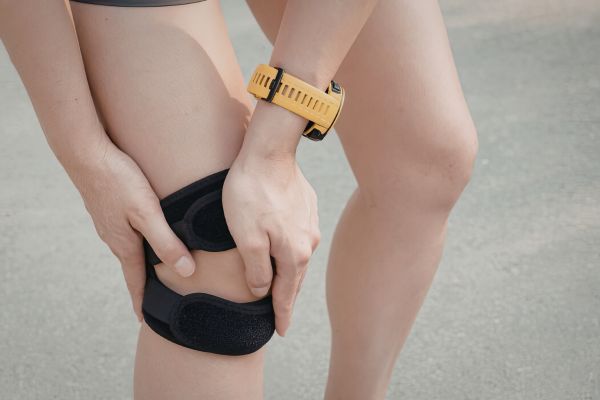
Knee pain is one of the most common complaints among cyclists. It can appear around the front of the knee, behind the knee, on the outside, or near the inner side. The exact location may point to different causes, but the general pattern is often linked to training load, saddle height, cleat position, pedaling style, or muscle imbalance.
A saddle that is too low can increase pressure at the front of the knee. A saddle that is too high may cause strain behind the knee or make the hips rock side to side. Cleats positioned poorly can affect how the knee tracks with each pedal stroke. When repeated over thousands of rotations, even a small alignment issue can create irritation.
Knee pain can also come from doing too much too soon. A rider who suddenly adds steep climbs, longer distances, or harder gears may overload the knees before the supporting muscles are ready.
Prevention begins with gradual progress. Riders should increase distance, intensity, and climbing volume carefully. Bike fit matters too. The saddle, pedals, and cleats should allow the legs to move naturally without forcing the knees inward or outward. Strength work for the hips, glutes, hamstrings, and core can also help the knees handle riding stress more effectively.
Lower Back Pain on Long Rides
Lower back pain is another familiar issue for cyclists, especially on longer rides. Unlike running or field sports, cycling keeps the body in a forward-bent position. The back, hips, and core must support that posture while the legs keep working.
If the core is weak, the hips are tight, or the bike position is too aggressive, the lower back may take more strain than it should. A handlebar position that is too low or too far away can force the rider to stretch excessively. Over time, this can create stiffness, aching, or fatigue in the lower back.
Prevention often starts with fit and posture. Riders should feel supported on the bike, not stretched to the point of strain. A slightly more comfortable riding position may reduce pressure, especially for recreational cyclists or beginners. Core strength is also important. The core helps stabilize the pelvis and spine so the legs can pedal without the back doing extra work.
It also helps to move occasionally during rides. Staying locked in one position for too long can make the back feel worse. Standing briefly on the pedals, changing hand positions, and stretching gently after rides can reduce stiffness.
Neck and Shoulder Tension
Cyclists often spend long periods looking forward while the body leans down toward the handlebars. This position can place stress on the neck and shoulders, especially if the rider grips the bars tightly or holds tension without noticing it.
Neck pain may come from an overly stretched riding position, poor upper-body strength, stiff shoulders, or simply spending too long in the same posture. Shoulder discomfort can also develop from absorbing road vibration or supporting too much body weight through the arms.
A relaxed upper body makes a real difference. The elbows should be slightly bent, not locked. The shoulders should stay away from the ears. The hands should grip the bars with control, not fear. Riders who constantly feel pressure through the arms may need to check whether their saddle position, handlebar reach, or overall bike setup is forcing them forward.
Strengthening the upper back and improving shoulder mobility can help too. Cycling may be a leg-driven sport, but the upper body still plays an important supporting role.
Wrist, Hand, and Numbness Problems
Numb hands, tingling fingers, and wrist discomfort are common during cycling, particularly on long road rides. These symptoms often happen when too much pressure is placed on the hands or when the wrists stay bent for too long.
Road vibration can make the issue worse. So can poor handlebar position, worn grips, thin padding, or riding with locked elbows. In some cases, nerve pressure may cause tingling in specific fingers.
Prevention involves reducing pressure and changing position. Riders should avoid putting all their weight through their hands. A stable core and balanced bike position can help distribute weight more evenly. Changing hand positions during rides is also useful. Padded gloves, comfortable bar tape, and proper grip setup may reduce irritation.
The wrists should stay in a neutral position as much as possible. If a rider constantly feels numbness, it is worth paying attention. Numbness is not just a normal part of cycling; it is often a sign that pressure needs to be reduced.
Saddle Soreness and Skin Irritation
Saddle discomfort is one of the less glamorous but very real parts of cycling. New riders often expect some soreness, but persistent pain, chafing, numbness, or skin irritation should not be ignored.
Saddle problems can come from poor saddle shape, incorrect saddle height or angle, worn cycling shorts, too much friction, or long rides before the body has adapted. A saddle that is comfortable for one rider may be uncomfortable for another because anatomy and riding position vary.
Prevention includes choosing a saddle that suits the rider’s body and riding style, wearing properly fitted cycling shorts, and increasing ride duration gradually. Saddle height and angle should also be checked. A saddle tilted too far upward or downward can create pressure or instability.
Skin irritation can often be reduced by keeping clothing clean and dry, avoiding seams that rub, and changing out of sweaty cycling gear soon after riding. Small irritations can become painful quickly if ignored.
Foot and Ankle Discomfort
Foot pain, hot spots, numb toes, and ankle discomfort may develop during cycling, especially when shoes are too tight, cleats are poorly positioned, or the rider pushes heavy gears for long periods.
Cycling shoes are designed to transfer power, but they should not crush the foot. Feet can swell during longer rides, so shoes that feel snug at the start may become uncomfortable later. Cleat placement can also affect pressure through the foot and alignment through the knee and hip.
Prevention starts with proper shoe fit. Riders should have enough room for the toes without excessive movement inside the shoe. Cleats should be positioned so pedaling feels natural and balanced. Pedaling with a smooth cadence instead of grinding heavy gears can also reduce strain through the feet, ankles, and knees.
Crash-Related Injuries
Not all cycling injuries come from repetition. Crashes can cause cuts, bruises, road rash, sprains, fractures, concussions, and shoulder injuries. The collarbone and wrist are especially vulnerable when riders fall onto an outstretched arm.
Some crashes are unavoidable, but risk can be reduced. Riders should keep the bike well maintained, especially brakes, tires, chain, and gears. They should ride at a speed appropriate for the surface, weather, traffic, and visibility. Wet roads, loose gravel, potholes, and sharp turns all require extra attention.
Helmet use is one of the most basic safety habits. It does not prevent every injury, but it can reduce the risk of serious head trauma. Visibility matters too. Lights, reflective gear, and predictable riding behavior help other road users see and understand the cyclist’s movement.
On trails, riders need to match their speed and technique to the terrain. Confidence is useful, but overconfidence can be expensive.
The Importance of Bike Fit
Bike fit sits at the center of cycling injuries and prevention. A rider can be strong, disciplined, and careful, but if the bike does not suit their body, discomfort may keep returning.
Good bike fit considers saddle height, saddle position, handlebar reach, handlebar height, cleat setup, frame size, and riding goals. A racing position may be faster, but it may not be comfortable or sustainable for every rider. A commuter, beginner, endurance rider, and competitive cyclist may all need different setups.
The body should feel balanced on the bike. The rider should not feel cramped, overstretched, or forced into a position they cannot hold comfortably. Small changes can have a large effect because cycling repeats movement so many times.
Bike fit is not only for elite cyclists. It is useful for anyone who rides regularly and wants to avoid unnecessary pain.
Training Progression and Recovery
Many cycling injuries happen when enthusiasm moves faster than the body can adapt. A rider feels motivated and adds too many miles, too many hills, or too much intensity in a short period. At first, progress may feel exciting. Then fatigue, soreness, or pain begins to show up.
Gradual training is safer and usually more sustainable. The body needs time to adapt to longer rides and harder efforts. Rest days are not wasted days; they are part of the process. Recovery allows muscles, tendons, joints, and energy systems to rebuild.
Sleep, nutrition, hydration, and easy rides all play a role. Cyclists who train hard but recover poorly may struggle with repeated aches, low energy, and declining performance. Listening to the body is not weakness. It is part of becoming a better rider.
Strength and Mobility Away From the Bike
Cycling builds endurance and leg strength, but it does not train every movement the body needs. Because the sport happens in a fixed position, some muscles can become tight while others remain underused. This may contribute to pain or poor mechanics over time.
Strength training can support healthier riding. Work for the glutes, hamstrings, hips, core, back, and shoulders helps the body stay stable and balanced. Mobility work for the hips, hamstrings, chest, and upper back can also reduce stiffness from long hours in the saddle.
The goal is not to turn every cyclist into a weightlifter. It is to build a body that can handle the demands of riding. Even simple, consistent strength and mobility routines can make cycling feel smoother and more comfortable.
When Pain Needs Attention
Cyclists sometimes become used to discomfort, but certain signs deserve attention. Pain that gets worse during a ride, changes normal movement, causes numbness, appears in daily life, or keeps returning after rest should not be brushed aside.
Early action is usually easier than late recovery. Adjusting training, checking bike fit, improving recovery, or addressing strength and mobility gaps may prevent a small issue from becoming a long break from riding.
It is also important to respect serious symptoms after a fall, especially head injury signs, severe swelling, sharp pain, weakness, or inability to bear weight. In those cases, guessing is not helpful. Proper medical assessment matters.
Conclusion
Cycling can be one of the most rewarding ways to move. It builds endurance, clears the mind, strengthens the body, and opens up roads, trails, and places that feel different from the saddle. But like any sport built on repetition and effort, it comes with risks.
The most common cycling injuries often develop from small problems repeated over time: poor fit, sudden training increases, weak support muscles, limited recovery, or ignored warning signs. Prevention begins with awareness. A comfortable bike setup, gradual progression, relaxed posture, strength work, recovery, and safer riding habits all help protect the body.
Cycling injuries and prevention should not be seen as a topic only for injured riders. It belongs to every cyclist who wants to ride longer, feel better, and enjoy the sport without constant setbacks. The aim is not to ride carefully out of fear. It is to ride wisely, with enough respect for the body to keep the wheels turning for years to come.