
There’s something magical about walking into a stadium on game day. The roar of the crowd, the smell of grilled food drifting through the concourses, the anticipation of the match or game ahead—it all blends into a sensory experience that goes far beyond the action on the field. For traveling fans especially, stadiums offer a unique window into local culture, and one of the most memorable parts of that culture often comes in the form of food.
The best stadium food experiences don’t simply fill hungry stomachs. They tell stories about cities, traditions, and the passionate communities that gather around sports. Across the world, stadiums have transformed from places serving basic snacks into destinations where culinary creativity thrives. From iconic hot dogs to regional specialties you won’t find anywhere else, stadium dining has quietly become part of the journey for many fans.
Why Stadium Food Has Become Part of the Fan Experience
Not long ago, stadium menus were fairly predictable. A few standard items—hot dogs, nachos, popcorn, and soda—were considered enough to satisfy spectators between innings or halftime breaks. But as sports venues evolved into entertainment hubs, the expectations of fans changed as well.
Today’s stadiums recognize that food is part of the event itself. Fans arrive early to explore the stands, sample local specialties, and soak in the atmosphere. For traveling supporters, trying stadium food can feel like discovering the culinary identity of the host city.
This shift has also encouraged teams and stadium operators to collaborate with local chefs, restaurants, and food vendors. The result is a richer, more authentic menu that reflects the region’s flavors. In many cases, the food is as talked about as the final score.
Regional Flavors Bring Local Identity to the Game
One reason the best stadium food experiences stand out is their connection to local cuisine. Stadiums have become places where regional flavors are proudly showcased to thousands of visitors at a time.
In cities known for barbecue, stadium vendors may offer slow-smoked brisket sandwiches or pulled pork piled high on soft buns. In coastal areas, seafood often takes center stage, with fresh fish tacos, lobster rolls, or shrimp baskets served alongside the excitement of the game.
These regional dishes give traveling fans an easy introduction to local food culture. Even if a visitor only has a few hours in town, a stadium meal can offer a genuine taste of the city’s culinary traditions.
Iconic Stadium Classics That Never Go Out of Style
Despite the rise of gourmet stadium menus, some foods remain timeless. The hot dog, for instance, continues to be one of the most recognizable stadium staples anywhere in the world.
There’s something about holding a hot dog wrapped in paper while watching the game unfold that feels deeply connected to the sports experience. Over time, however, even this classic has evolved. Different stadiums now add their own twists with unique toppings, regional sauces, or locally baked buns.
Soft pretzels, peanuts, and popcorn also carry a sense of nostalgia. These foods are simple, but they help define the rhythm of game day. The crack of a peanut shell or the warmth of a salted pretzel in your hands often becomes part of the memory fans carry home.
The Rise of Gourmet Stadium Dining
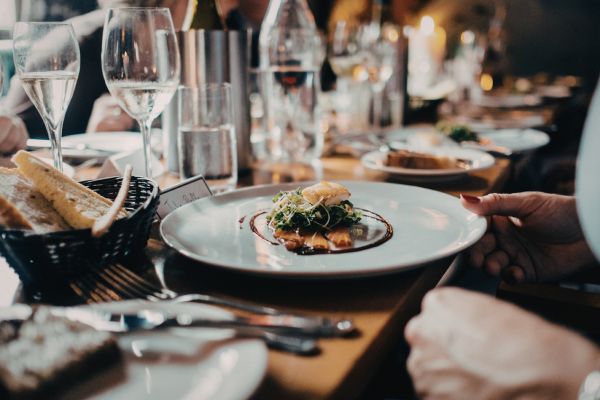
One of the most interesting developments in modern sports venues is the rise of gourmet stadium food. In many stadiums today, you’ll find dishes that rival what you might expect in trendy city restaurants.
Artisan burgers topped with specialty cheeses, hand-cut fries seasoned with herbs, and creative tacos filled with slow-cooked meats have all found their way into stadium kitchens. Some venues even feature rotating chef collaborations that introduce new menu items throughout the season.
For traveling fans, this means the stadium itself becomes part of the culinary adventure. Instead of grabbing the quickest snack available, many visitors now wander the concourses searching for the most talked-about dishes.
Street Food Influence Inside the Stadium
Another trend shaping the best stadium food experiences is the influence of street food culture. Many stadiums have embraced the vibrant energy of street vendors by recreating that atmosphere inside the venue.
Food stalls serving loaded fries, grilled skewers, dumplings, or handheld wraps give fans quick and flavorful options that feel both casual and exciting. These foods are easy to eat while standing, walking, or cheering, which makes them perfectly suited for a stadium environment.
Street food also tends to be bold and creative, often blending spices, sauces, and textures in ways that surprise people who expected typical stadium fare.
Food as a Social Part of the Game
For many fans, stadium food is not just about hunger—it’s about sharing the moment. Friends gather around trays of snacks, families split meals between innings, and strangers sometimes strike up conversations while waiting in line.
The act of eating together becomes part of the communal experience that sports naturally create. When thousands of people cheer, celebrate, or groan at the same moment, sharing food adds another layer to that connection.
Traveling fans often remember these moments vividly. The taste of a particular dish becomes linked to the atmosphere of the stadium and the emotion of the game they watched.
International Stadium Food Traditions
While many discussions about stadium dining focus on North American sports venues, incredible stadium food traditions exist all around the world.
In some European football stadiums, fans enjoy hearty sausages, meat pies, or warm pastries that reflect long-standing culinary traditions. In parts of Asia, stadium menus might include noodles, rice bowls, or skewered meats grilled right in front of spectators.
Latin American stadiums often feature street-style snacks like empanadas, grilled corn, or savory pastries. These foods capture the lively spirit of the crowd and highlight the region’s love for bold flavors.
For traveling fans who follow teams or tournaments across borders, these diverse culinary traditions make every stadium feel unique.
Planning Your Game-Day Food Strategy
Experienced sports travelers often approach stadium dining with a bit of strategy. Arriving early allows fans to explore the venue before the crowds grow too large. Many stadiums feature multiple food areas, each offering different specialties worth trying.
Some fans prefer to sample smaller dishes from different vendors rather than committing to one large meal. This approach turns the experience into a casual tasting tour of the stadium.
Paying attention to local recommendations can also help visitors find the standout dishes that regular fans rave about. In many stadiums, certain food stalls become famous over time, drawing long lines and enthusiastic reviews.
Why Food Enhances the Memory of the Game
Years after a game ends, fans rarely remember every play or statistic. What often stays with them are the sensations tied to the experience—the sound of the crowd, the weather that day, and surprisingly often, the food they ate.
A perfectly grilled sandwich, a surprisingly delicious taco, or a regional specialty discovered by accident can become a cherished memory. These details transform a simple sporting event into a story worth telling.
That’s why the best stadium food experiences matter so much. They add texture, flavor, and personality to moments that fans already hold dear.
Conclusion
Stadiums have always been places of excitement, competition, and community. In recent years, however, food has become an equally important part of what makes game day memorable. The best stadium food experiences blend tradition, regional culture, and culinary creativity into something that enhances the atmosphere of the event.
For traveling fans, these meals offer more than convenience—they provide a taste of the city hosting the game and a deeper connection to the culture surrounding the sport. Whether it’s a classic hot dog enjoyed in the stands or a locally inspired dish discovered while exploring the concourse, stadium food has the power to turn a single game into an unforgettable experience.
Long after the final whistle or last inning, fans may find themselves remembering not only the score, but also the flavors that made the day complete.