
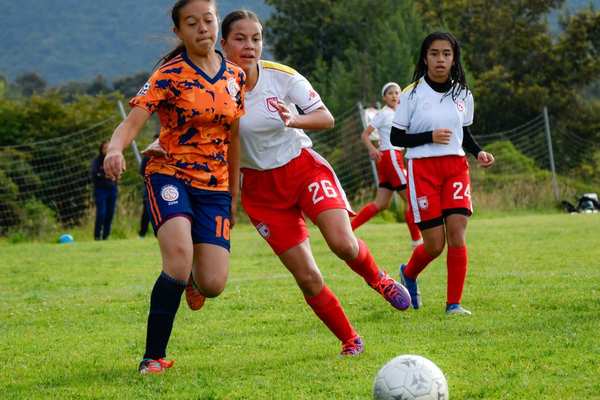
For decades, women’s soccer in the United States was most visible during major international tournaments. The U.S. Women’s National Team could fill stadiums, dominate television coverage and create national stars, but much of that attention arrived in short bursts. What has changed is the space between tournaments. The growth of women’s soccer in the US is now being powered by weekly club matches, wider media coverage, stronger youth pathways, larger crowds and a fan culture that no longer treats the women’s game as an occasional event.
This shift is cultural and commercial. Supporters are building routines around teams, cities are investing in facilities, broadcasters are placing matches on major platforms and sponsors are treating women’s soccer as a long-term property. The sport is moving from periodic popularity to a more durable place in American life.
International success created the foundation
The popularity of the U.S. women’s national team gave the sport a powerful starting point. World Cup and Olympic success introduced generations of Americans to elite female players and created memorable moments that reached beyond traditional soccer audiences. Those teams also gave young players visible role models when professional opportunities for women were limited or unstable.
National-team success alone, however, could not build a complete soccer economy. A sustainable sport needs regular competition, local loyalties and a reliable way for fans to follow players throughout the year. The growing connection between the national team, the professional league, college soccer and youth girls soccer has helped provide that structure.
The NWSL turned interest into a weekly habit
The National Women’s Soccer League has become the central engine of women’s soccer popularity in the country. Its progress is visible in expansion, stronger ownership groups, improved facilities, better match presentation and more ambitious marketing. Fans are supporting clubs, learning rivalries and following season-long stories rather than attending only to see a famous national-team player.
NWSL attendance growth offers one of the clearest measures of that change. In 2024, the league surpassed two million regular-season attendees for the first time and averaged more than 11,000 fans per match. By the middle of the 2026 season, it had reached one million attendees faster than in any previous campaign. A Denver Summit match against the Washington Spirit also drew 63,004 spectators, setting a league record.
These figures matter because they reflect repeated consumer behavior. Professional clubs must persuade people to buy tickets, return several times, purchase merchandise and remain interested through wins and losses. That kind of loyalty makes leagues stronger and gives local teams room to grow.
Better media access has expanded the audience
Following women’s professional soccer once required extra effort. Matches could be difficult to find, broadcast quality varied and schedules were not always promoted clearly. Wider distribution has reduced that friction. NWSL games now appear across major broadcast, cable and streaming platforms, giving established supporters easier access while introducing the league to new viewers.
The league’s media agreements beginning in 2024 also increased rights revenue and national distribution. In 2025, total viewership across Nielsen-rated platforms rose by 18 percent from the previous season, while the championship drew more than one million viewers. Consistent visibility helps players become recognizable, strengthens sponsorship value and encourages year-round coverage.
Local identity is changing fan culture
Women’s soccer is benefiting from a style of fandom that feels local, social and community-driven. Clubs have built supporter groups, match-day traditions and recognizable identities that reflect their cities. In several markets, attending a women’s match has become part of the wider sports calendar rather than a niche activity.
Facilities can accelerate that connection. Kansas City’s CPKC Stadium, opened as a venue designed specifically for a professional women’s sports team, sent a message about permanence. It showed that the women’s game did not need to operate as a secondary tenant with limited control over scheduling, branding or the fan experience.
Youth and college soccer keep widening the base
The professional game sits on top of a large participation system. According to the National Federation of State High School Associations, girls soccer had 393,048 high school participants in 2024-25, making it one of the three most popular girls sports. The NCAA reported 31,200 women’s soccer players in 2024-25, a 16 percent increase over ten years.
Those numbers connect participation with fandom. Former players often remain supporters, coaches, volunteers and parents. Young athletes are also growing up with clearer examples of what a future in soccer can look like, whether that means playing professionally, competing in college or working in coaching, media, medicine and club operations.
Barriers remain. Club fees, travel demands, uneven access to facilities and dropout during adolescence can limit who gets to stay in the game. U.S. Soccer is studying girls’ retention and why players leave at key ages. Future growth will depend not only on attracting participants but also on creating environments where more girls can afford to play, feel supported and remain involved.
Investment is creating a broader soccer economy
The rise of the women’s game is attracting owners, sponsors and entrepreneurs who see opportunity beyond ticket sales. Clubs are developing training centers, content operations, merchandise lines and community programs. Brands increasingly feature female players in national campaigns, while athletes build audiences that extend beyond match day.
Investment can improve salaries, staffing, medical support and player development, but progress should not be measured only by record crowds or headline valuations. The strongest future will come from stable clubs, high professional standards, competitive balance and accessible grassroots pathways.
A major sport with room to grow
The growth of women’s soccer in the US is not the result of one tournament, player or marketing campaign. It reflects decades of participation, national-team achievement and advocacy, combined with a newer wave of professional investment and media exposure. The biggest change is that the sport now has more ways to hold attention after an international event ends.
Women’s soccer has become a meaningful part of American sports business and culture. Its next phase will depend on consistency. If clubs keep improving the match-day product, broadcasters make games easy to find and youth programs remove barriers, today’s momentum can become a lasting national institution.
Frequently Asked Questions
Why has women’s soccer grown in the United States?
Its growth comes from connected factors including national-team success, a large youth base, stronger professional clubs, better media distribution, increased investment and fans forming lasting connections with local teams.
How has NWSL attendance changed?
The league passed two million regular-season attendees for the first time in 2024 and reached one million fans faster than ever during the 2026 season.
Why is youth girls soccer important?
Youth participation develops future players, but it also creates coaches, parents, volunteers and lifelong fans. Improving affordability and retention will be important for continued growth.
Can women’s soccer keep growing between major tournaments?
Yes. Weekly club soccer, reliable broadcasts, local rivalries and accessible youth programs give supporters reasons to stay engaged between World Cups and Olympic Games.