
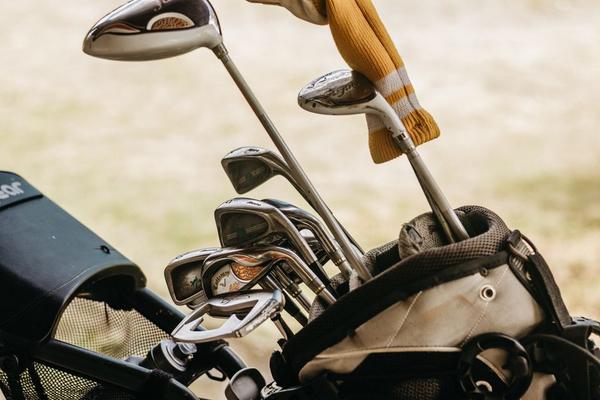
The shaft is one of the least visible parts of a golf club, yet it strongly influences how the club feels in motion and at impact. The graphite vs steel golf shafts debate is often reduced to “graphite is light, steel is heavy,” but modern equipment is more nuanced. Both materials now cover wide ranges of weight, stiffness, launch characteristics, and player profiles, so the better choice depends on how a particular shaft fits your swing.
How Graphite and Steel Shafts Differ
Steel golf shafts use metal tubing engineered for a specific flex and bend profile. Manufacturers vary wall thickness, taper, and geometry to tune how the shaft loads and releases. Steel’s density and strength help explain its long-standing popularity in irons, where many golfers value a solid, direct sensation.
Graphite golf shafts use layers of carbon-fiber material and resin. Engineers can orient those layers to change stiffness, torque, balance, and feel. That flexibility lets graphite suit players seeking very light shafts as well as powerful golfers who want heavier, stable profiles.
Weight: The Difference You Notice First
Shaft weight affects total club weight, tempo, and how easily a golfer can accelerate the club. Graphite offers the broadest selection at the lighter end of the market, which can help golfers who maintain better rhythm or speed with less overall mass.
Steel is usually heavier, but “steel equals heavy” is no longer a complete rule. Lightweight steel shafts are widely available, while some premium graphite iron shafts reach weights similar to traditional steel. The actual shaft weight matters more than the material label by itself.
Consider a golfer using 120-gram steel iron shafts who feels tired late in a round and struggles to launch the long irons. Testing an 80- or 90-gram graphite option may make the club easier to accelerate. But dropping that much weight can also change tempo, so a 100-gram graphite shaft might produce better overall contact and control.
Feel and Vibration at Impact
Steel tends to transmit more impact vibration into the hands. Some players like that crisp feedback because they can quickly sense whether contact was centered, thin, or toward the toe or heel.
Graphite generally damps more vibration, producing a smoother and less sharp sensation on mishits. That can appeal to golfers who dislike the sting of a poor strike or simply prefer a softer response. It does not mean graphite provides no feedback; modern composite designs can still feel precise, just different.
If comfort is a priority, test both materials rather than assuming you need a softer flex. Flex and vibration are separate issues, and a firm graphite shaft can still feel smoother at impact than a softer steel model.
Launch, Spin, and Distance
It is tempting to say graphite launches higher and steel launches lower, but that is too simplistic. Launch and spin depend on the complete shaft design, including weight, bend profile, torque, length, and how the golfer delivers the club. Clubhead loft and strike location also play major roles.
Lighter graphite can help some golfers create more clubhead speed, which may translate into extra distance. A more active tip section may also help certain players launch the ball higher. However, there are low-launch graphite shafts and higher-launch steel shafts, so compare actual ball flight and launch-monitor data instead of choosing by stereotype.
Consistency and Control
Steel offers predictable feel and manufacturing consistency at a reasonable cost. Many accomplished iron players still prefer that familiar response, especially after years with similar steel profiles.
Modern graphite is not automatically less consistent. Composite construction now supports heavier, highly stable iron shafts for strong players as well as lighter options for moderate-speed golfers.
The useful question is whether a shaft lets you return the clubhead consistently. If a lighter shaft makes your transition rushed, dispersion may widen even if speed rises. If a heavier shaft improves sequencing but becomes tiring, that can also reduce consistency.
Who May Prefer Graphite or Steel?
Graphite may suit you if…
You want to reduce club weight, prefer a smoother impact sensation, need lighter shaft options, or want a composite design tuned for a specific feel. Graphite is also worth testing if long-iron speed or late-round fatigue is a concern.
Steel may suit you if…
You prefer a heavier, traditional iron feel, value pronounced impact feedback, or already produce your best tempo and dispersion with steel. Steel can also be attractive when cost matters, since comparable options are often less expensive than premium graphite.
Neither list is a rule. Strong golfers can play graphite successfully, and moderate-speed golfers can fit into lightweight steel. Player profile is only a starting point.
How to Test Both Materials Properly
When possible, compare shafts in the same clubhead and at similar playing lengths. Start with shaft weight, then look at ball speed, launch, spin, carry distance, peak height, and dispersion. Also pay attention to strike pattern and how easy the club is to swing repeatedly.
Do not judge the test from your single best shot. Try several solid swings with each option and look for the setup that produces the most repeatable group while still giving you the flight and feel you prefer.
For related equipment guidance, see golf shaft flex explained, how swing weight affects golf clubs, and iron fitting basics.
Frequently Asked Questions
Are graphite shafts better than steel shafts?
Not universally. Graphite often offers lighter weight and more vibration damping, while steel commonly provides a heavier, more direct feel. The better option is the one that fits your swing and preferred response.
Do graphite golf shafts hit the ball farther?
They can for some players if a lighter shaft helps create more clubhead speed or improves launch. Distance is not guaranteed by the material itself; shaft weight, bend profile, strike quality, loft, and delivery all matter.
Do better golfers need steel iron shafts?
No. Skilled and fast-swinging golfers can use either material. Modern graphite iron shafts are available in heavier and more stable designs, so ability level alone is not a reason to choose steel.
Can I use graphite in irons and steel in wedges?
Yes. Mixed-material sets can work well when each club is fitted for its job. The main concern is avoiding an abrupt change in weight or feel that makes the transition from irons to wedges uncomfortable.
Choosing the Right Shaft Material
The most useful way to compare graphite and steel is to stop treating material as a shortcut for performance. Graphite usually provides more opportunities to reduce weight and soften vibration, while steel continues to offer the solid, familiar response many golfers prefer. Shaft weight, bend profile, balance, and fit can matter just as much as the material itself.
If you are changing shafts, test several weights before focusing on flex labels or brand names. A well-matched shaft should help you swing with natural tempo, find the center of the face, and produce a repeatable flight without forcing extra effort. That is a better standard than choosing graphite or steel simply because of age, swing speed, or tradition.