
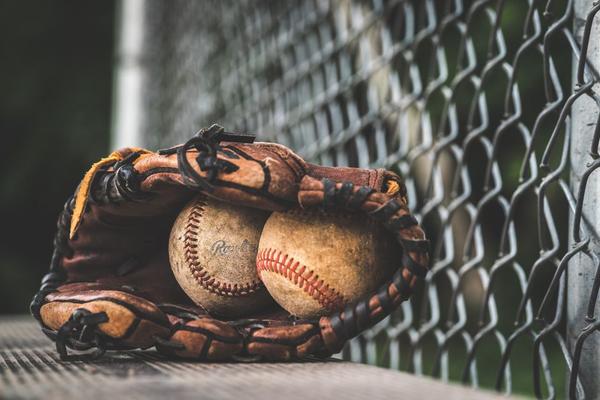
A baseball glove can look perfect online and still be the wrong purchase if the player cannot close it, control it, or use it comfortably at their position. A baseball glove size chart is best treated as a starting point: age narrows the range, position determines pocket depth and shape, and hand fit decides whether the glove works.
For parents buying a first youth baseball glove, the biggest mistake is often buying too large “so they can grow into it.” An oversized glove can feel heavy, slide on the hand, and slow down transfers. A correctly sized glove should feel secure at the wrist and let the player squeeze it closed without fighting the leather.
Baseball Glove Sizing by Age
T-ball and early youth: about ages 3 to 7
For very young players, most glove sizing by age starts around 8.5 to 10 inches. Rawlings lists 8.5 to 10 inches as a general T-ball range for ages 3 to 6, while Wilson places players age 5 and under around 9 to 10 inches and ages 6 to 7 around 10 to 10.5 inches. At this stage, easy closure and a snug hand opening matter more than position-specific features.
Youth baseball: about ages 7 to 12
As players settle into positions, sizing becomes more specific. A useful youth baseball glove range is roughly 10.25 to 11.75 inches for infield, about 11.5 to 12.5 inches for outfield, and around 11.5 to 12.5 inches for pitchers as players approach age 12. First-base mitts commonly fall around 11.5 to 12 inches in youth sizing.
Teen and adult players: age 13 and up
For older players, position matters more than age. Infield gloves commonly run about 11 to 12 inches. Outfield gloves are typically larger, roughly 12 to 12.75 inches, with 12.5 to 12.75 inches offering extra reach and a deeper pocket. Pitcher gloves commonly sit around 11.5 to 12.5 inches, while first-base mitts are generally about 12 to 13 inches.
Glove Size by Field Position
Infield gloves
The infield vs outfield glove difference is mainly about speed versus reach. Infielders need a shallower pocket that helps them get the ball out quickly. Shortstops and second basemen often prefer 11.25 to 11.5 inches, while third basemen may move toward 11.5 to 12 inches for a little more pocket on hard-hit balls.
I-web and H-web designs are common in the infield because they balance structure, visibility, and quick access to the ball. The exact web is personal preference, but the pocket should not be so deep that it slows the transfer.
Outfield gloves
Outfielders benefit from a larger glove with a deeper pocket. For older players, 12.5 to 12.75 inches is a common target, while younger outfielders may use roughly 11.5 to 12.5 inches depending on age and hand size. The extra length helps extend reach on fly balls and the deeper pocket helps secure catches while running.
H-web and trapeze-style webs are popular outfield choices because they create a roomy catching area. Players moving between infield and outfield may prefer a utility size near the upper end of infield sizing rather than simply buying the largest glove available.
Pitcher gloves
A pitcher wants enough size to field comfortably while keeping the throwing-hand grip hidden. Wilson’s guide places adult pitcher gloves around 11.5 to 12.5 inches. Closed webs, basket webs, and two-piece closed designs are common because they help conceal the ball before delivery.
First-base mitts
First-base mitts use deeper pockets, reinforced webs, and a rounded shape to receive throws and scoop balls near the dirt. Rawlings’ general guide lists about 11.5 to 12 inches for youth first base and 12 to 13 inches for older players. H-web, modified H-web, and single-post double-bar styles are common choices.
How to Check Fit Before You Buy
Size on the label is only half the decision. Ask the player to put the glove on, let the arm hang naturally, and shake the hand. The glove should stay secure instead of slipping toward the fingertips. Next, have the player close it several times. If squeezing it shut is difficult, the glove may be too large, too stiff, or both.
Consider an 11-year-old shortstop who technically fits an 11.75-inch glove but has small hands and cannot close it quickly. An 11.25- or 11.5-inch youth-fit model can be the better game glove because it gives the player immediate control instead of extra weight and pocket depth.
Check the wrist opening and finger stalls too. Youth-fit models often use narrower wrist openings and shorter finger stalls than adult gloves of similar length, so two 11.5-inch gloves can feel completely different on the same hand.
Choosing a Glove for a Growing Player
Do not buy purely for future growth. The glove should help the player make plays now. If a child rotates between several positions, a utility glove is usually smarter than an oversized outfield model. Around 11 inches can work for younger multi-position players, while older youth players may move toward 11.75 to 12 inches depending on where they spend most of their innings.
Material matters as well. A softer, game-ready youth glove may be easier for a younger player to close than a stiffer premium leather glove in the same size. More expensive is not automatically better if the player cannot control it.
Useful next reads for shoppers include baseball glove break-in guide, how to choose a baseball bat, and youth baseball equipment checklist.
Frequently Asked Questions
What size baseball glove should a 10-year-old use?
Most 10-year-olds will fall around 10.75 to 11.5 inches for infield and roughly 11.5 to 12 inches for outfield, though hand size and position can shift the ideal fit. The player should be able to close the glove easily and keep it secure on the hand.
Is an 11.5-inch glove good for youth baseball?
Yes. An 11.5-inch glove is a versatile youth size, especially for infield and utility use. Some younger outfielders can use it too, but dedicated outfield players may prefer a deeper 11.75- to 12.5-inch model as they grow.
What is the main difference between an infield and outfield glove?
Infield gloves are generally smaller with shallower pockets for faster transfers. Outfield gloves are larger with deeper pockets to increase reach and help secure fly balls.
Should a pitcher use an open or closed web?
Pitchers usually prefer a closed web because it helps hide the ball and grip from hitters and base coaches. Closed basket and two-piece styles are common choices.
Find the Size That Helps the Player Make Plays
The best glove is not simply the largest size recommended for an age group. Start with age, narrow the choice by position, then judge the hand fit. Younger players benefit from gloves they can close confidently, infielders need quick transfers, outfielders need reach and pocket depth, pitchers need concealment, and first basemen need a purpose-built mitt. Use the size ranges as a shopping filter, then choose the glove that feels secure and controllable on the field.