
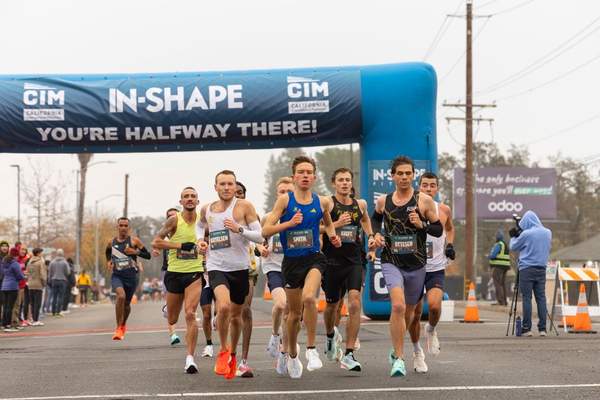
A marathon can unravel before the runners reach halfway. Fresh legs, cheering crowds and the urge to bank time make the opening kilometres feel deceptively easy. By 30K, however, that early enthusiasm may become a painful slowdown. A reliable marathon pacing strategy helps you set an honest goal, manage effort and keep enough energy for the final stretch.
Choose a Goal Pace Based on Evidence
Start with recent training and race performances, not the finish time you hope to see on a medal photo. A recent half-marathon or 10K result can help estimate marathon potential. Enter it into a race pace calculator, then compare the prediction with your endurance training. The calculator cannot measure your long-run consistency, fueling habits or ability to manage fatigue.
Look especially at marathon-specific workouts and long runs. Did planned sections at marathon goal pace feel controlled, or did you struggle to complete them? Did you recover normally afterward? One fast workout is less persuasive than several consistent sessions. If training has been interrupted, select a more conservative target.
Prepare a primary finish-time goal, a slightly faster possibility for exceptional conditions and a fallback target for a difficult day. Those alternatives give you decisions to make instead of reasons to panic.
Translate Your Finish Time Into Marathon Splits
A marathon measures 42.195 kilometres, approximately 26.2 miles. Divide the target finish time by the distance to calculate average pace. A four-hour marathon, for example, requires about 5:41 per kilometre or 9:09 per mile. That is an average over the course, not a command to run every hill at precisely the same speed.
Record planned checkpoints at 5K, 10K, halfway, 30K and 35K. At an even four-hour pace, 10K takes approximately 56 minutes 53 seconds and halfway takes two hours. These bigger checkpoints reveal whether your overall plan is holding up without encouraging constant reactions to every watch beep.
GPS watches may read slightly long or short around tall buildings and turns. Check elapsed time at official course markers, and focus on the trend across several kilometres instead of chasing seconds after an inaccurate lap.
Divide the Race Into Three Manageable Phases
First 5K: Keep the Effort Comfortable
Resist weaving through runners or following an ambitious pace group. You might begin a few seconds per kilometre slower than your planned average while the field settles. If the course climbs early, accept a slower split. Controlled breathing and relaxed shoulders matter more than being ahead of schedule.
5K to 30K: Settle Into Your Rhythm
Move toward goal pace on suitable terrain, maintaining steady effort rather than accelerating to pass every group. Take the fuel and fluids you practiced during training. Check your overall progress at major markers. A small early delay is not a debt that must be repaid immediately.
After 30K: Respond to the Runner You Are Now
As fatigue increases, assess breathing, coordination and leg strength. If you still feel controlled, increase effort gradually. If you are struggling, protect a sustainable rhythm instead of forcing the original target. The final kilometres are where early restraint becomes valuable.
Is a Negative Split Marathon the Best Approach?
A negative split marathon means running the second half faster than the first. It can work well, particularly for runners inclined to start too quickly. But even splits, or close to them, can also produce excellent races. The goal is to distribute your effort sensibly, not force a particular pattern at any cost.
Consider two runners targeting four hours. One races through halfway in 1:53, banking seven minutes, but has run faster than training supports. Another reaches halfway near 2:01 and still feels composed. The second runner may have a better chance of finishing near the goal because there is less early fatigue to repay. The example illustrates a risk, not a guaranteed outcome.
Adapt Pace to Hills, Heat and Headwinds
Running by even effort often works better than insisting on identical splits. Allow uphill kilometres to take longer, then descend smoothly without sprinting. Into a headwind, find a comfortable rhythm and avoid wasteful surges. Course elevation should shape your plan before the gun goes off.
Hot or humid conditions can make a familiar pace unsustainable. Adjust expectations early when the weather is harder than training conditions. Follow race safety guidance, drink sensibly according to your practiced plan and take concerning symptoms seriously. A finish-time adjustment is far preferable to pushing into a medical emergency.
Study the course map, including climbs after 30K, aid stations and exposed sections. A realistic plan accounts for where your hardest running will happen, not just the distance.
Practical Habits That Protect Your Pace
Practice controlled marathon-pace sections within long runs, particularly when your legs are moderately tired. Rehearse race-day gels and drinks rather than testing unfamiliar products at the start line. A marathon long-run training plan and race-day fueling guide can help you prepare these routines.
On your watch, favor lap average pace and elapsed time over a constantly changing instantaneous pace reading. When GPS is unreliable, use official markers to check progress. If joining a pace group, ask how the pacer plans to handle hills, water stops and early congestion.
When a difficult patch arrives, concentrate on the next marker. Relax your arms, check your breathing and follow your practiced fueling schedule. Avoid interpreting one slow kilometre as a failed marathon. If marathon pace repeatedly felt impossible in training, revisit your marathon training schedule rather than relying on race-day adrenaline to bridge the gap.
Frequently Asked Questions
What is the best pacing strategy for a first marathon?
Choose a conservative goal supported by long runs, start comfortably and focus on maintaining consistent effort. Avoid trying to bank several minutes in the first half.
How much slower should the first kilometres be?
There is no universal rule. Starting a few seconds per kilometre slower for the first 3–5K may help you settle, but congestion and hills matter more than a fixed adjustment.
Should I trust GPS marathon splits?
Use them as guidance, then compare elapsed time against official kilometre or mile markers. Turns, tall buildings and extra distance from weaving can affect watch readings.
What if I am behind pace at 30K?
Assess how you feel before changing speed. If comfortable, make gradual adjustments. If fading, shift to a manageable pace and prioritize finishing steadily over recovering lost minutes.
Finish Strong by Starting Wisely
Your marathon pacing strategy should be grounded in training and flexible enough for real race conditions. Choose a credible pace, check meaningful splits, respect the terrain and save your hardest effort for the later miles. A strong marathon is not defined by how quickly you begin, but by how well you manage what remains.