
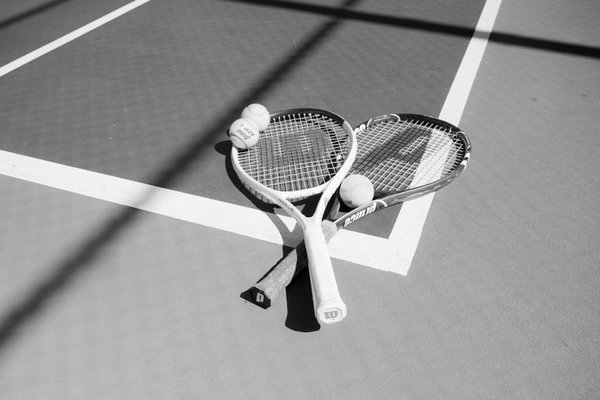
Choosing a tennis racket can feel surprisingly complicated. Head size, weight, balance, string pattern, grip size and tension all affect how a racket performs, yet the best option is not necessarily the most expensive or technically advanced model. The right racket is the one that complements your current ability, physical strength and playing style.
This Tennis racket buying guide explains the specifications that genuinely matter and how they influence power, control, comfort and spin. Whether you are buying your first racket or replacing an older frame, understanding these fundamentals will help you make a confident decision without being distracted by marketing claims.
Start With Your Current Playing Level
Your experience level should guide almost every part of the buying process. Beginners usually benefit from a forgiving racket that produces easy power, while experienced players may prefer a more controlled frame that responds precisely to faster, technically sound swings.
Rackets for Beginners
New players should look for a lightweight or moderately weighted racket with a larger head. This combination creates a bigger effective hitting area and helps generate depth without requiring a powerful swing. A forgiving frame can also reduce frustration while you learn timing, footwork and contact point.
Beginners do not need an extremely heavy performance racket. Although heavier frames can feel stable, they may become tiring during long sessions and make it harder to develop smooth technique.
Rackets for Intermediate Players
The best tennis rackets for intermediate players usually balance manageable power with improved control. At this stage, many players are swinging faster, producing their own pace and experimenting with topspin, slices and more aggressive positioning.
A mid-sized or slightly oversized head, moderate weight and neutral balance can provide versatility across different playing styles. Intermediate players should also consider what they want to improve. A baseline player may prioritise spin and stability, while an all-court player may value manoeuvrability at the net.
Rackets for Advanced Players
Advanced competitors often prefer heavier rackets with smaller heads and thinner beams. These specifications provide greater control and feedback, but they demand accurate contact and consistent technique. Such rackets can be rewarding in skilled hands, although they are generally less forgiving on off-centre hits.
Racket Head Size Explained
Head size refers to the surface area of the racket head and is normally measured in square inches. It influences the size of the sweet spot, the amount of available power and the level of control a player can achieve.
Oversized rackets, commonly measuring around 105 square inches or more, offer a generous sweet spot and easy power. They are often suitable for beginners, recreational players and anyone who wants additional forgiveness.
Mid-plus heads, generally ranging from approximately 98 to 104 square inches, provide a useful combination of power and control. This range is common in many modern Gear Reviews because it works well for a broad variety of recreational and competitive players.
Smaller heads of around 97 square inches or below usually provide greater precision but leave less room for error. They are most appropriate for players who consistently strike the ball near the centre of the strings.
How Racket Weight Affects Performance
Weight has a major influence on stability, power and manoeuvrability. A lighter racket is easier to swing, position and accelerate. It can be particularly helpful for beginners, juniors and players who lack upper-body strength.
Heavier rackets absorb more of the impact at contact and tend to remain stable against fast incoming shots. They can also produce a heavier ball when paired with a confident swing. However, choosing a racket that is too heavy may lead to late contact, fatigue or unnecessary strain.
Instead of selecting the lightest or heaviest option available, look for the heaviest racket you can swing comfortably for an entire match. You should be able to maintain good technique without your arm slowing down as the session progresses.
Understanding Racket Balance
Two rackets with the same overall weight can feel completely different because of their balance. A head-heavy racket places more mass toward the top of the frame, which can increase power and stability. The trade-off is that it may feel slower during quick exchanges.
A head-light racket carries more of its weight toward the handle. It is generally easier to manoeuvre and is popular with players who use fast swings, approach the net regularly or rely on quick reactions.
Even-balanced rackets sit between these two categories and provide a versatile feel. They are often a sensible choice for developing players who have not yet settled on a specific playing style.
Choose the Correct Grip Size
Grip size is one of the most overlooked parts of any Tennis Buying Guide. A grip that is too small can encourage excessive wrist movement and force you to squeeze the handle tightly. A grip that is too large can restrict wrist action and make it harder to change grips quickly.
When holding the racket in a standard forehand grip, there should generally be enough room to fit the index finger of your opposite hand between your fingertips and palm. This is only a practical starting point, so testing several sizes is preferable whenever possible.
It is easier to make a slightly small grip larger by adding an overgrip. Reducing a grip that is too large is more difficult, which is worth remembering when choosing between two sizes.
Open and Dense String Patterns
The string pattern describes the number of main and cross strings in the racket. An open pattern has more space between the strings and can help the ball grip the string bed, making it easier to generate spin. It may also provide a livelier response, although strings can wear out more quickly.
A denser string pattern normally offers a more controlled and predictable launch. Players who hit flatter shots or frequently break strings may appreciate the additional durability and consistency.
Neither pattern is automatically better. Your preferred trajectory, spin level and feel should determine which one suits your game.
Tennis String Tension Guide
String tension can significantly change how a racket feels. Lower tension creates a softer, more powerful string bed because the strings move more at impact. It can also offer greater comfort for recreational players or anyone concerned about arm strain.
Higher tension generally produces a firmer response and greater directional control. However, it reduces free power and may feel harsh when the ball is struck outside the sweet spot.
Every racket has a recommended tension range printed on the frame. Starting near the middle of that range is a sensible approach. You can then lower or raise the tension during future restringing based on whether you want more power, comfort or control.
Consider Frame Stiffness and Comfort
A stiffer frame bends less at contact and returns more energy to the ball, often producing additional power. The disadvantage is that more impact vibration may be transferred to the player’s arm.
A flexible racket absorbs more energy and usually provides a softer, more connected feel. It may offer less effortless power, but many players prefer the comfort and control.
Players with a history of wrist, elbow or shoulder discomfort should prioritise comfort over maximum power. A suitable grip size, softer string and lower tension can also make a noticeable difference.
Should You Demo a Racket Before Buying?
Specifications are valuable, but they cannot fully describe how a racket will feel in your hand. When possible, test a racket during a real practice session rather than judging it after a few shadow swings in a shop.
Pay attention to how quickly you can prepare the racket, whether off-centre shots remain stable and how your arm feels after extended play. Comparing two or three suitable frames is often more useful than reading dozens of Tennis Gear Reviews without testing anything personally.
Frequently Asked Questions
What head size is best for a beginner?
A head size of approximately 100 to 110 square inches is suitable for many beginners. It provides a forgiving sweet spot and useful power without making the racket excessively difficult to control.
Is a lighter tennis racket always better?
No. A lighter racket is easier to swing, but it may feel unstable against powerful shots. The best weight is one you can manoeuvre comfortably while still receiving enough stability at contact.
How often should tennis strings be replaced?
Replacement frequency depends on how often you play, your string type and whether the strings lose tension or break. Recreational players should consider restringing when performance, comfort or control noticeably declines.
What is the best string tension for an intermediate player?
There is no universal tension for intermediate players. Beginning near the middle of the manufacturer’s recommended range provides a reliable starting point, after which tension can be adjusted according to personal preference.
Choosing a Racket That Supports Your Game
The right racket should make Tennis feel more natural, not force you to change your swing simply to manage the equipment. Start with your playing level, then compare head size, weight, balance, grip and string setup. These factors matter far more than appearance or professional endorsements.
A thoughtful buying decision can give you greater confidence, comfort and consistency on court. Use this guide to narrow your options, test suitable models whenever possible and choose a racket that supports both your current game and the player you are working to become.