
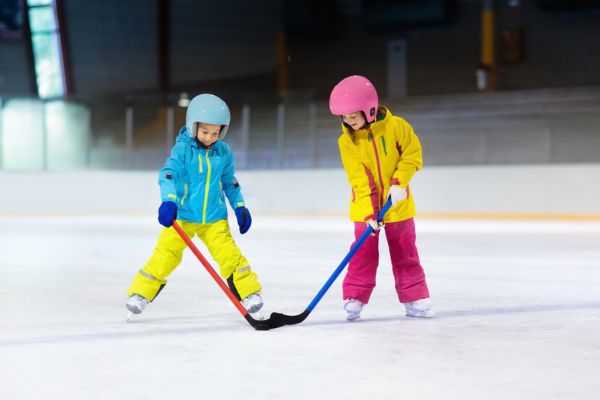
Every season, it seems to happen all over again. A sign-up form lands in your inbox, your child is buzzing with excitement, and suddenly you’re left wondering whether you still have last year’s gear or if everything needs to be replaced. Youth sports are rewarding, but they also come with practical questions, especially when it comes to equipment. Having a reliable youth sports equipment checklist can make the difference between a smooth start and a stressful scramble.
This isn’t about buying the newest or most expensive gear. It’s about knowing what matters, what can wait, and how to make thoughtful decisions that support your child’s safety, comfort, and enjoyment. Whether your child is stepping onto the field for the first time or returning for another season, a clear checklist helps you stay focused on what really counts.
Why a Youth Sports Equipment Checklist Matters
Children grow fast, and sports seasons move even faster. Equipment that fit perfectly a few months ago may suddenly feel tight, awkward, or unsafe. A youth sports equipment checklist gives parents a simple framework to review what’s needed without relying on memory or guesswork.
Beyond sizing, there’s also the issue of wear and tear. Protective gear loses effectiveness over time, shoes break down in ways that aren’t always obvious, and small issues can turn into big distractions once the season starts. A checklist keeps safety at the center while reducing last-minute stress before practices and games.
Understanding the Basics Across All Youth Sports
While every sport has its own requirements, most youth sports share a common foundation of equipment. Clothing designed for movement is essential, and it should match both the sport and the climate. Breathable fabrics, flexible fits, and weather-appropriate layers help children stay focused instead of uncomfortable.
Footwear is another universal concern. Sport-specific shoes provide better traction, support, and injury prevention than general athletic sneakers. Even if the shoes look fine on the outside, checking the soles, heel support, and overall fit should be part of any youth sports equipment checklist.
Hydration gear is often overlooked but just as important. A sturdy, easy-to-use water bottle encourages regular breaks and healthy habits, especially during longer practices or warm weather.
Protective Equipment and Safety Essentials
Safety gear deserves special attention because it directly affects a child’s well-being. Helmets, pads, guards, and mouth protection all need to fit properly to do their job. Hand-me-downs can work in some cases, but only if they still meet safety standards and fit the child correctly.
Parents should take time to inspect protective equipment before each season. Cracks, compressed padding, loose straps, or outdated certification labels are signs that it may be time to replace an item. A youth sports equipment checklist should always include a careful review of safety gear, even if the sport seems low-contact.
Sport-Specific Equipment Without the Overwhelm
One of the biggest challenges for parents is navigating sport-specific gear without overbuying. Coaches and leagues usually provide guidelines, but they may assume a certain level of familiarity. Taking a calm, step-by-step approach helps.
For team sports, it’s often best to confirm what is provided by the league versus what families are expected to supply. Balls, bats, sticks, or rackets may fall into either category depending on the program. Including these items in your youth sports equipment checklist ensures nothing is forgotten on the first day.
It’s also helpful to remember that beginners don’t need professional-level equipment. Comfort, fit, and basic functionality matter far more than advanced features at early stages.
Clothing and Weather Readiness
Youth sports don’t stop for unpredictable weather, and that means clothing choices play a bigger role than many parents expect. Lightweight layers allow children to adjust as temperatures change during practice. For outdoor sports, rain gear or thermal layers may be necessary depending on the season.
Socks, often treated as an afterthought, can affect comfort and performance. Sport-appropriate socks reduce friction, manage moisture, and prevent blisters. Including these details in a youth sports equipment checklist helps avoid small discomforts that can sour an otherwise positive experience.
Equipment Fit and Growth Considerations
One of the trickiest parts of preparing for youth sports is balancing proper fit with rapid growth. Buying equipment that’s too large “to grow into” can compromise safety and performance. On the other hand, replacing gear every few months isn’t practical for most families.
A smart checklist approach focuses on adjustable features. Straps, laces, and flexible materials can extend the life of equipment without sacrificing fit. Regular check-ins during the season are just as important as preseason preparation, especially during growth spurts.
Maintenance, Care, and Organization
Equipment doesn’t take care of itself, and poor maintenance can shorten its lifespan significantly. Cleaning uniforms and protective gear regularly helps prevent odors and skin irritation. Airing out bags and shoes reduces moisture buildup and keeps equipment in usable condition.
Organization also plays a role. Having a designated place at home for sports gear makes it easier to notice missing or damaged items before it’s too late. Adding maintenance habits to your youth sports equipment checklist turns preparation into an ongoing routine rather than a once-a-season task.
Mental Comfort and Confidence Through Preparation
While equipment is often discussed in physical terms, it also affects a child’s confidence. Ill-fitting or missing gear can make a child feel unprepared or self-conscious. When parents take the time to thoughtfully prepare, it sends a message of support and involvement.
A well-prepared child can focus on learning, teamwork, and enjoyment instead of worrying about whether something feels wrong or out of place. That emotional readiness is an underrated benefit of following a youth sports equipment checklist.
Adjusting the Checklist as Children Grow
What works for a six-year-old just starting out won’t apply to a teenager playing competitively. As children grow, their equipment needs evolve alongside their skills and commitment level. Parents should revisit their checklist each season and adjust expectations accordingly.
Older athletes may need more specialized gear or higher-quality replacements as training intensity increases. Younger athletes benefit more from simplicity and comfort. Keeping the checklist flexible ensures it stays useful over time rather than becoming a rigid rulebook.
Final Thoughts on Preparing for the Season
Youth sports are about far more than equipment, but the right preparation creates a smoother path for everything else to fall into place. A thoughtful youth sports equipment checklist helps parents stay organized, reduces stress, and supports a safe, enjoyable experience for their children.
By focusing on fit, safety, comfort, and practicality, parents can approach each season with confidence. The goal isn’t perfection, but readiness. When the basics are covered, families are free to enjoy the moments that matter most, from early practices to final whistles, knowing they started the season on solid ground.